 Language
Exhibition Details and Artist Profiles
Are Now Available

EXHIBITION 2026
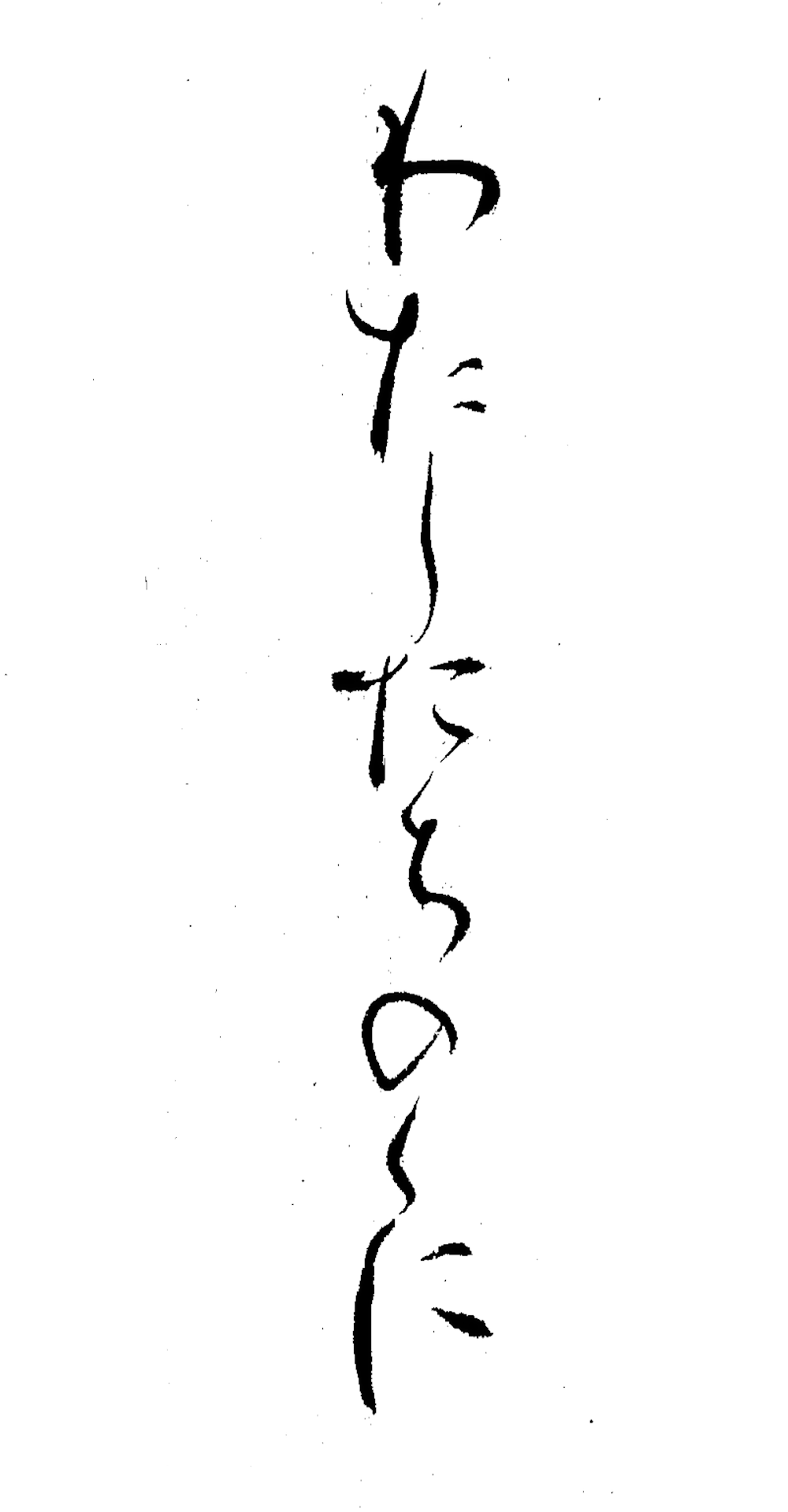
わたしたちの くに
OUR COUNTRY
2026.10.6TUE - 10.11SUN
11:00 AM–7:00 PM
Daikanyama HillSide Forum
SCROLL
NEWS
The Exhibition Will Be Held at
Daikanyama Hillside Forum
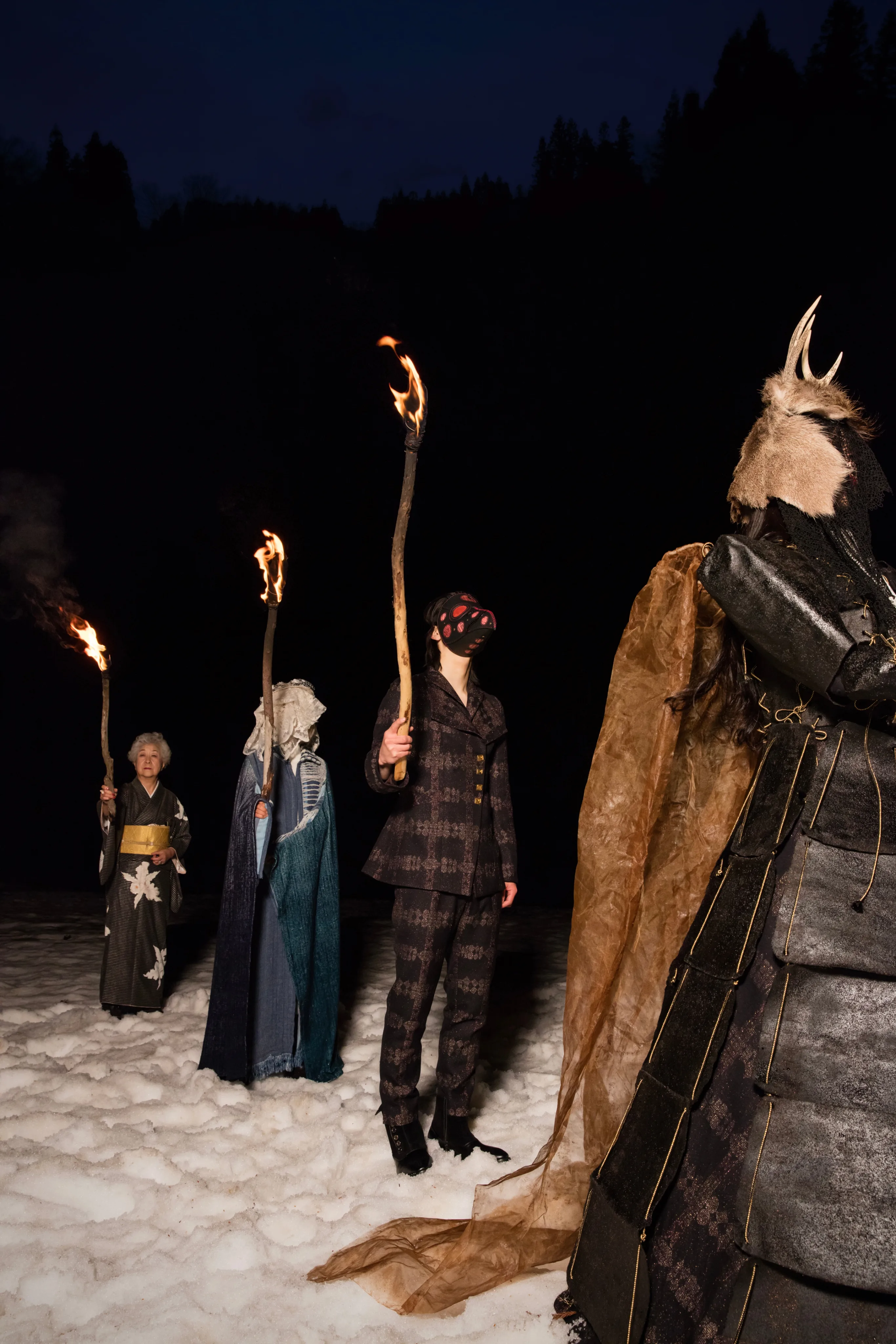


CONCEPT
Rooted in the classical tradition,
we step into new forms of expression.
Calligraphy, Fabric, and Dyeing
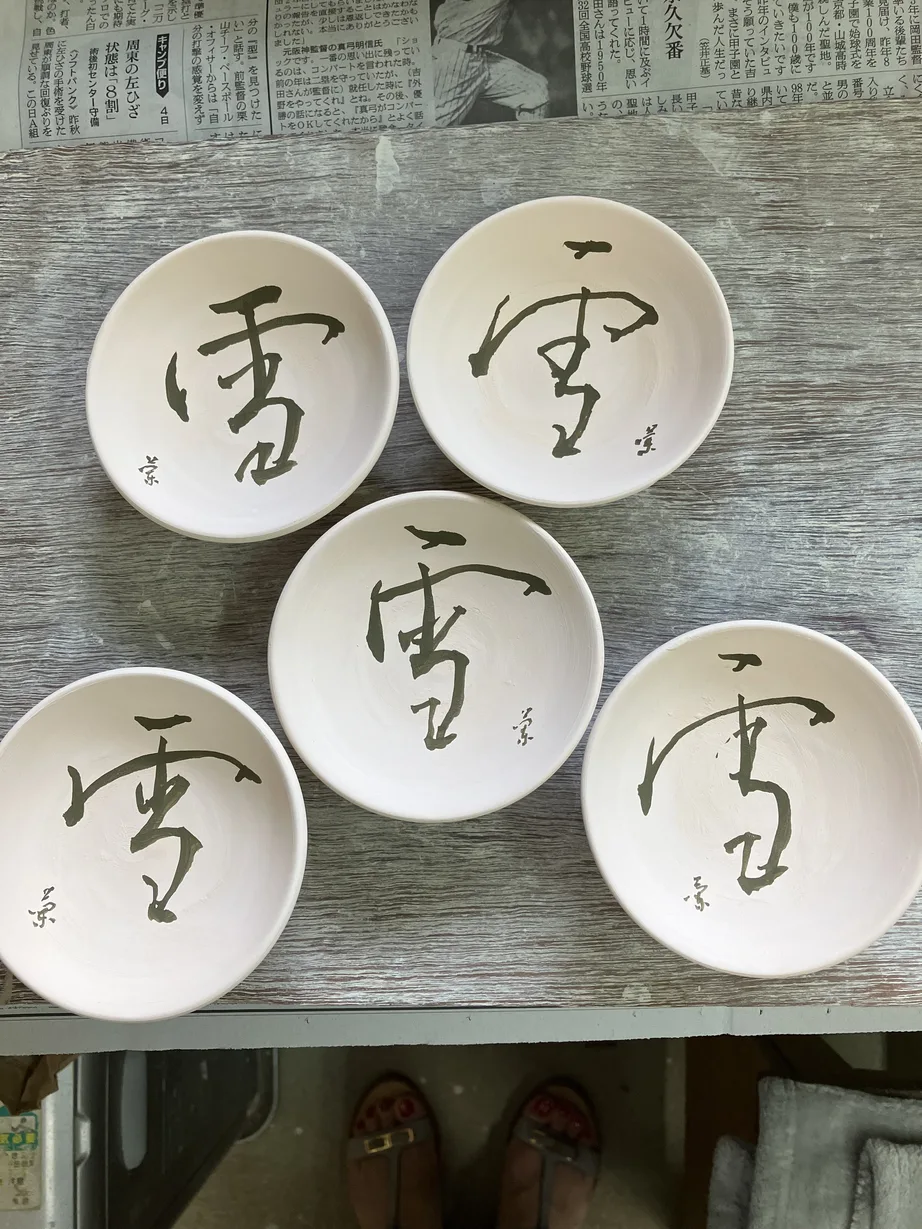
The bleeding and dry-brush textures of ink are transformed
into
fabric. Beyond them, Our
Country begins to take shape—
something that resides deep within us.
ABOUT THE EXHIBITION
About The Exhibition
OUR COUNTRY Exhibition Film
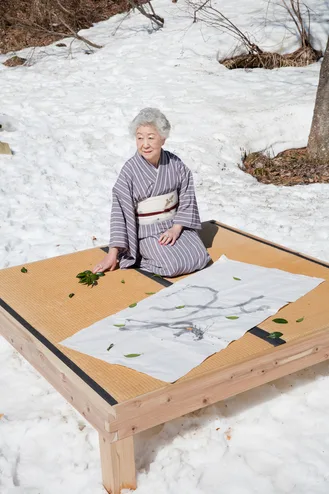
An installation of calligraphy and textiles by calligrapher
Ransetsu Ozawa, textile artist
BLNK, and textile-printing specialist
Yasuhiro Udagawa.The exhibition brings
together calligraphy, textile art, and craft within
a single spatial experience.

Calligraphy
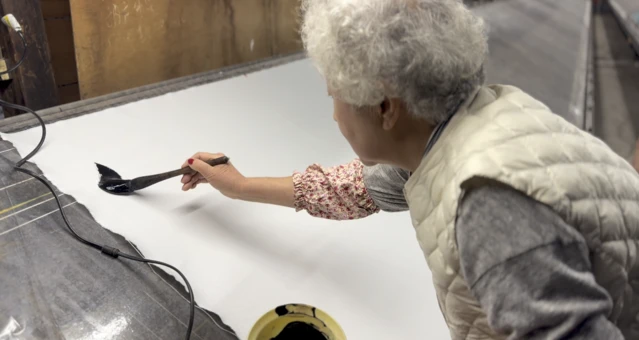
Ransetsu Ozawa’s brushwork is defined by bleeding ink, dry-brush
textures, and
expressive negative space. Carrying classical traditions
forward, she expands calligraphy beyond the boundaries of paper.

Textiles
BLNK brings together material selection, textile development,
production processes, and spatial composition, weaving
calligraphy and regional craft techniques into a unified form
of expression.

Textile Printing Artist
Yasuhiro Udagawa responds to the materials and production conditions, translating the spontaneity of calligraphy into textile form.

HIGHLIGHTS
Highlights
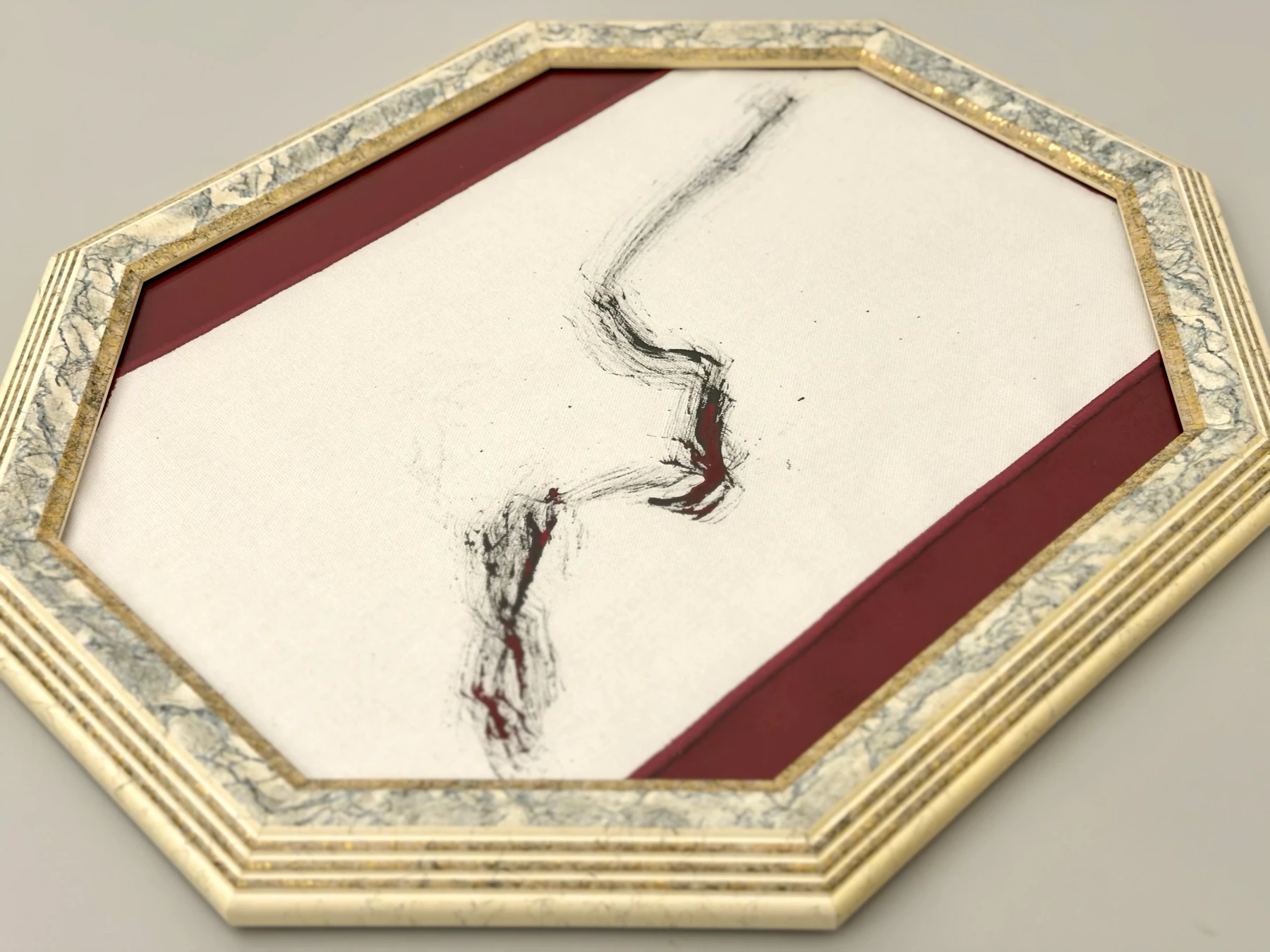
01
Translating the Unpredictability of
Ink into Textile
The bleeding and dry-brush textures of a single brushstroke are reinterpreted through materials and processes, then translated into textile form. Designing chance into the production process lies at the heart of this exhibition.
02
Where Hand and Machine Shape
Regional Materials
Textile printing, flocking, metal leaf, and washi paper. Materials and craftsmanship from different regions come together, giving each work its own distinctive texture and warmth.
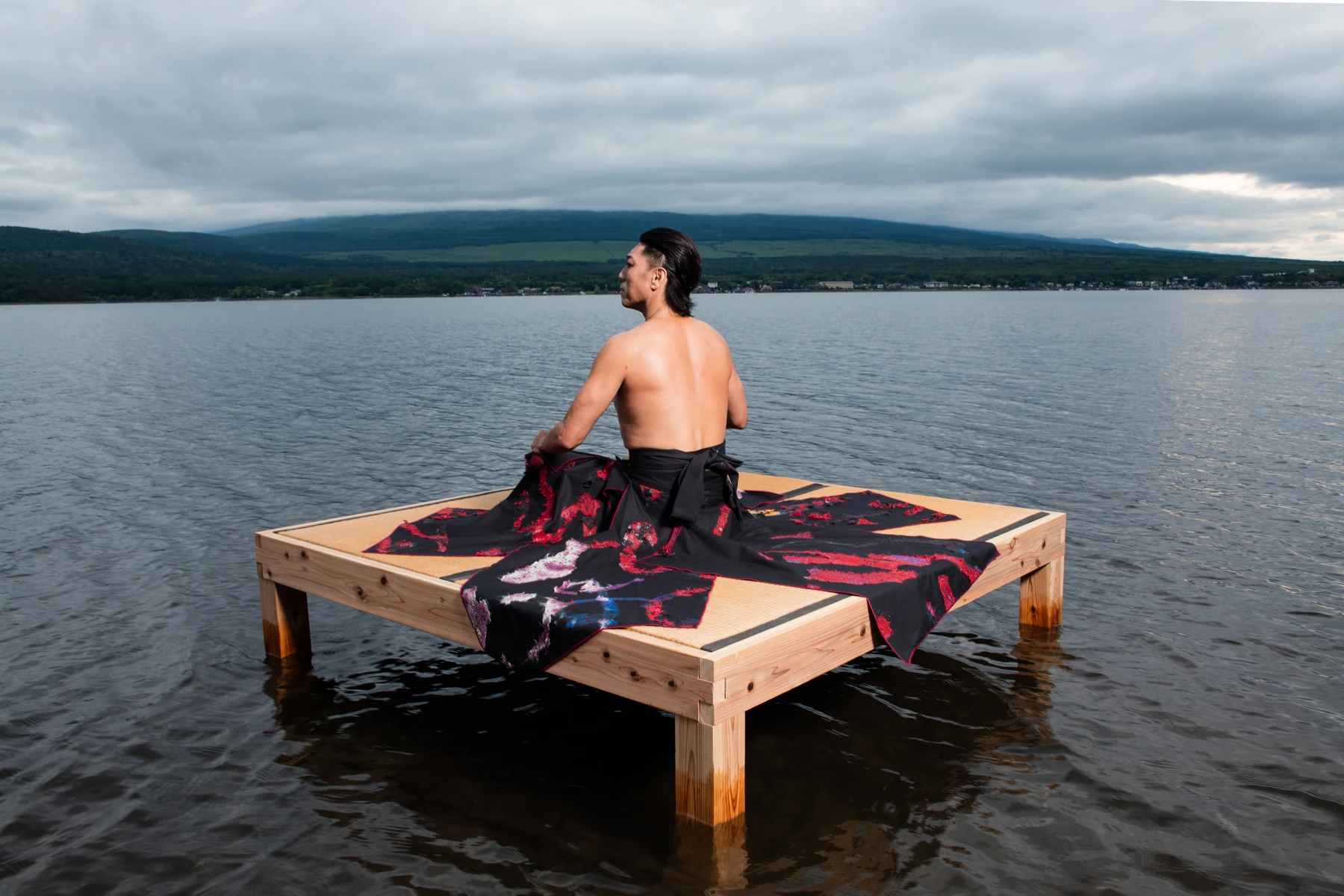
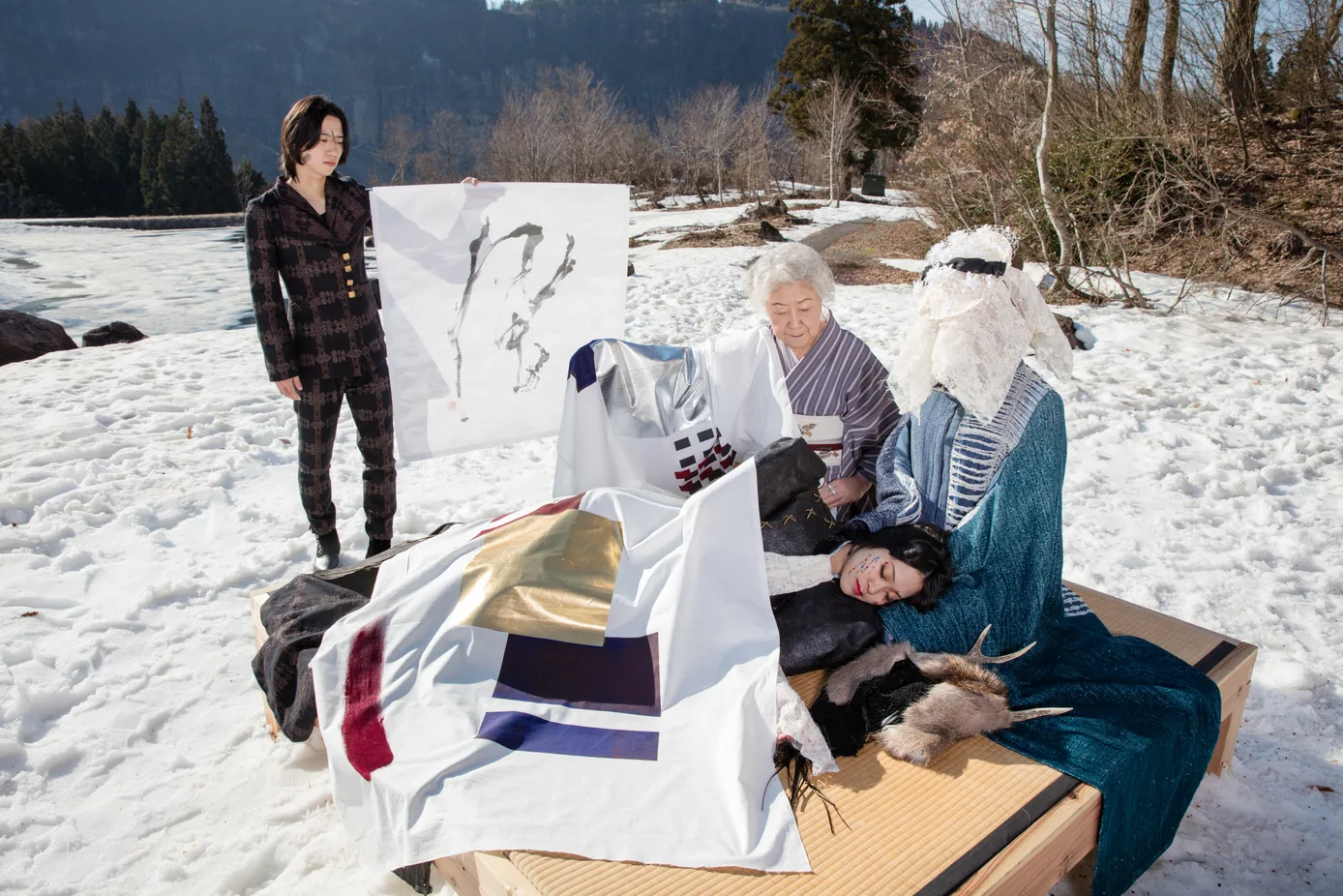
03
Three Disciplines,
One Installation
The calligrapher creates the brushwork, the textile-printing specialist develops the processes, and the textile artist brings together material and space. Working across the boundaries of their respective disciplines, the three collaborators shape the exhibition as a whole.
MATERIALS / TECHNIQUES
Materials/Techniques
Regional materials and artisan craftsmanship translate the expression of ink into fabric.

Washi Paper
The works incorporate hemp rakusui paper produced by Awa Washi, a type of Japanese paper characterized by its open, water-patterned surface. Its layered fibers, translucency, and texture add depth and decorative detail to the fabric.

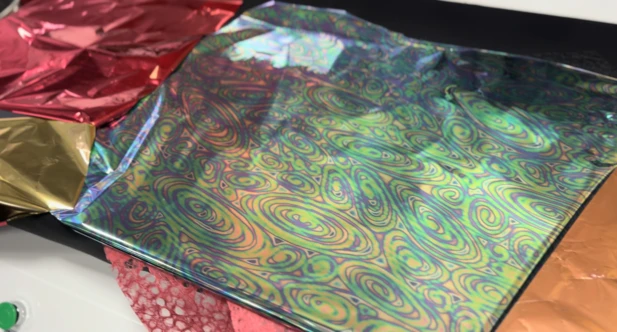
Foil
Its sheen changes with the light and viewing angle, adding a new visual layer to the ink lines.

Textile Printing
By carefully assessing the materials, chemicals, temperature, and humidity, the energy and spontaneity of the brushwork are translated into textile expression.

Flocking
Short fibers are bonded to the surface of the fabric, giving the lines a velvet-like dimension and a deep texture that absorbs light.

Fabric
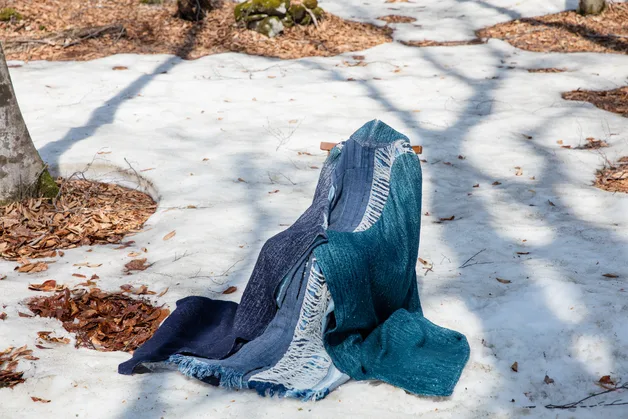
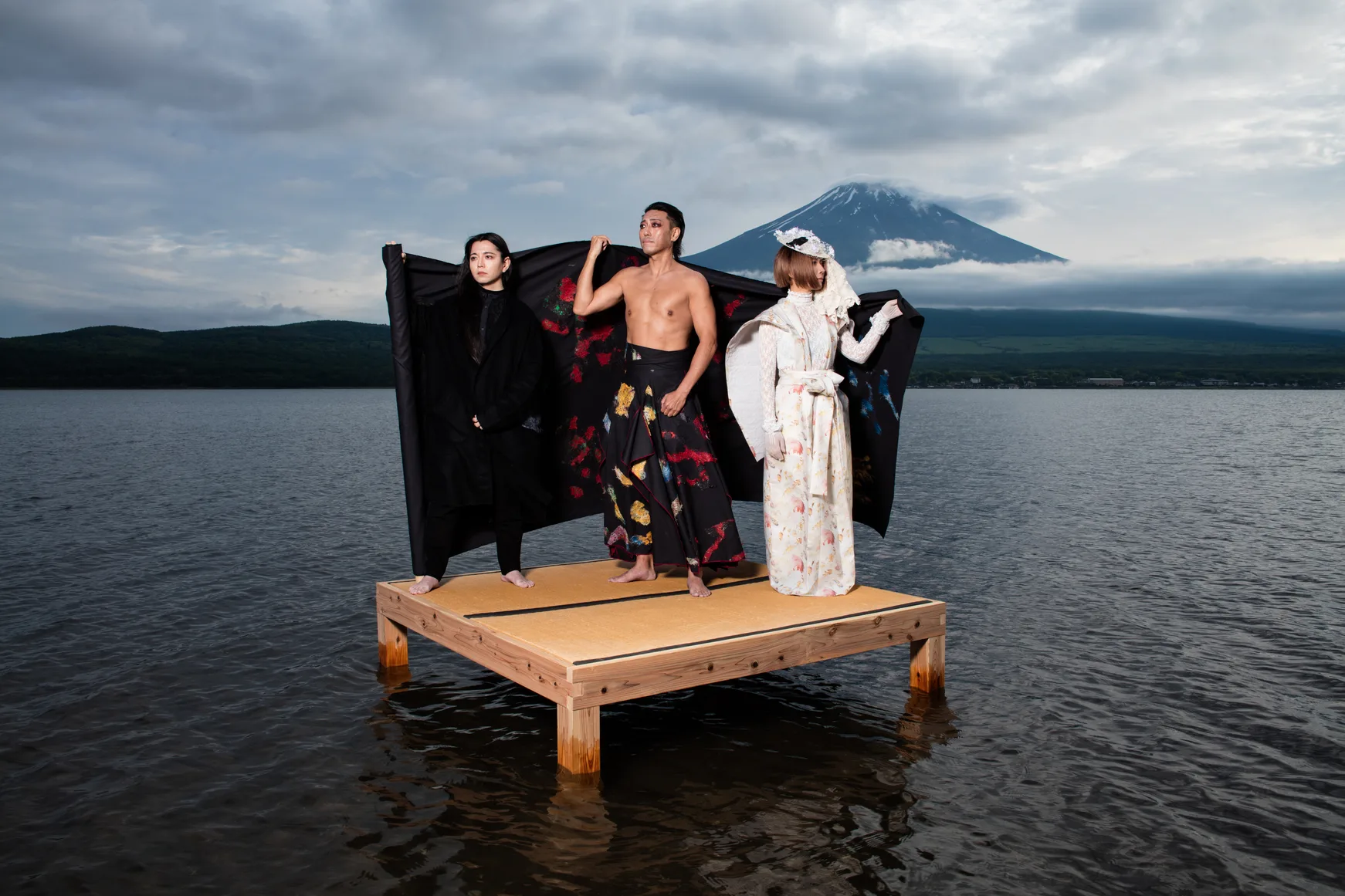
Washi paper, foil, flocking, and shimmering particles are layered over a cotton base. Through movement, translucency, and light, the calligraphy extends into the surrounding space.

Heat Press Processing
Heat and pressure bond the washi paper, foil, and flocking to the fabric, uniting the unpredictability of handwork with the precision of technical processes.
ARTISTS / COLLABORATORS
Artists/Collaborators

Ozawa began practicing calligraphy at the age of three and later
received the artist name Ransetsu. For this exhibition, she
extends her distinctive use of bleeding
ink and line into fabric and space, exploring new possibilities
for calligraphy.


Working across material, thread, textile processes, and spatial design, BLNK collaborates with factories and artisans to create one-of-a-kind textile works.

Yasuhiro Udagawa is a technical instructor in the Textile Design Department at Tama Art University. With 16 years of experience in a dyeing factory, he specializes in textile printing and related dyeing processes.
WORKS / INSTALLATION
Works/Installation

Please do not pull the fabric. You are welcome to touch it gently with the palm of your hand.

Materials: Cotton, washi paper, foil, and other materials
Techniques: Textile printing and heat pressing
Dimensions: Fabric panel: 145 × 800 cm; wrap skirt:
145 × 400 cm
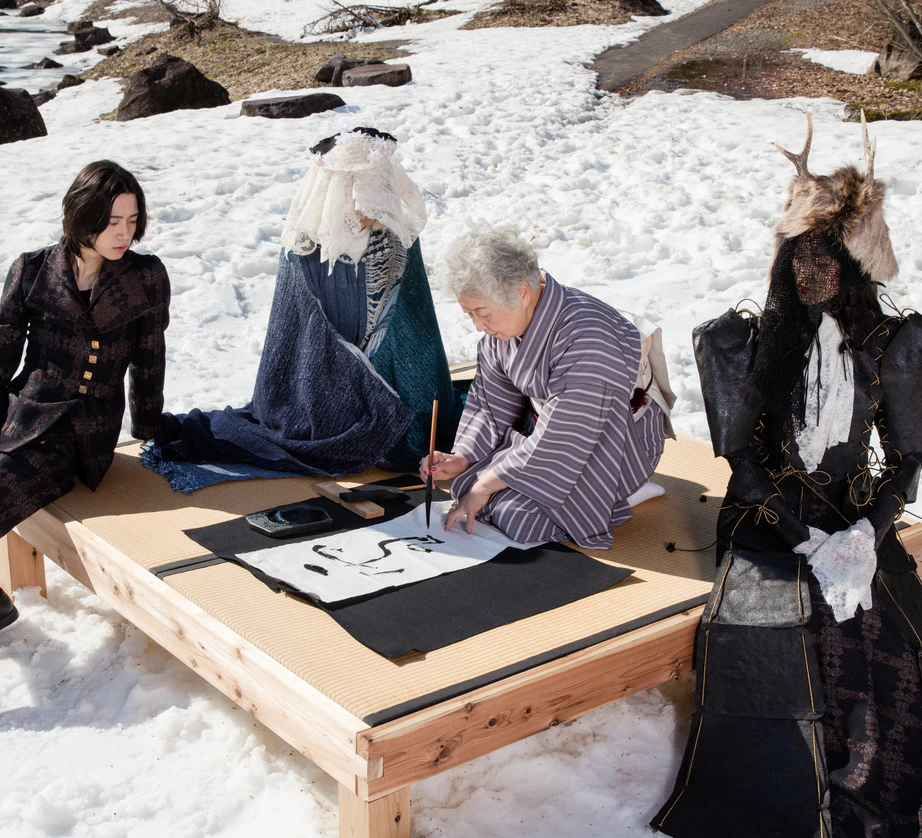
* Please enjoy viewing the garments without touching them.

VISIT INFORMATION
Visit Visitor Information
- Exhibition Dates
- October 6 (Tue) – October 11 (Sun), 2026
- Opening Hours
-
11:00 AM – 7:00 PM
Last admission at 6:30 PM - Venue
- Daikanyama Hillside Forum
- Admission
- Admission: Free
Organizer: Ransetsu Ozawa - Reception
-
October 5 (Mon), 2026,
6:00–8:00 PM
By invitation only - Access
-
Hillside Terrace Building F, 18-8
Sarugakucho, Shibuya-ku,
Tokyo 150-0033
3-minute walk from Daikanyama Station /
7-minute walk from Nakameguro Station /
10-minute walk from Ebisu Station
